
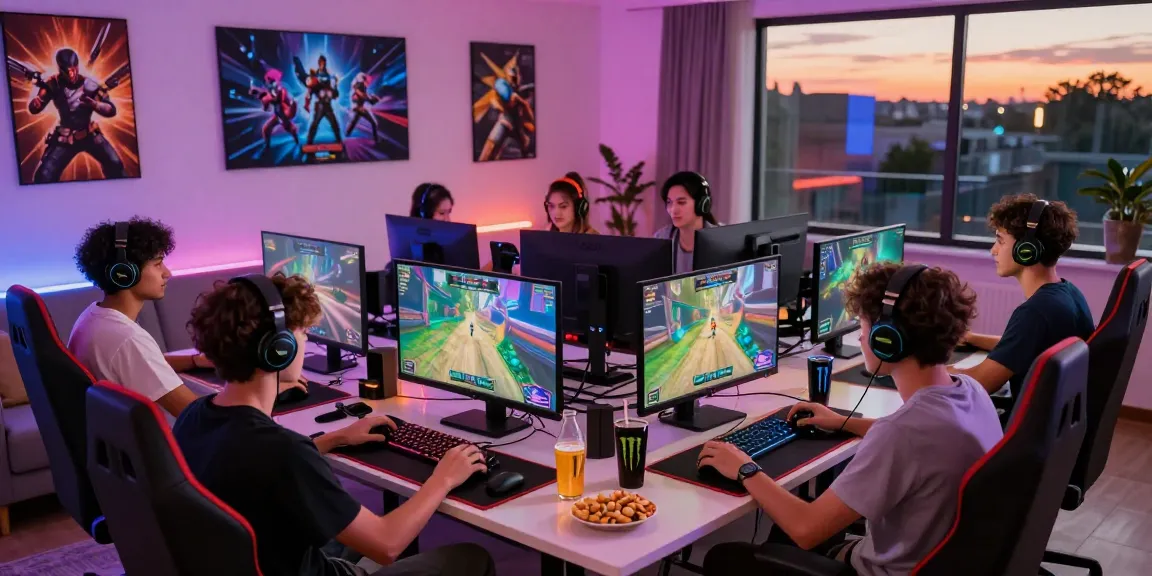
The Online Gaming Landscape in 2026
The online gaming industry has seen tremendous growth and evolution over recent years, transitioning from simple digital pastimes to complex ecosystems that foster engagement, monetization, and community building. By 2026, we can expect this landscape to continue expanding, driven by technological advancements and changing player demographics. Understanding current trends in gaming is essential for stakeholders looking to navigate this vibrant arena. For those interested in a deeper dive into these themes, https://rokok88.com offers comprehensive insights into this fast-paced environment.
Current Trends in Gaming
As we move further into 2026, several trends are shaping the online gaming environment. One of the most significant is the surge in mobile gaming, which now dominates market share thanks to the widespread use of smartphones and tablets. Games that can be played on the go are becoming increasingly popular, allowing players to engage whenever and wherever they want.
Another notable trend is the rise of cloud gaming. Services like Google Stadia and Microsoft Xbox Cloud Gaming enable users to stream games without the need for expensive hardware. This accessibility is attracting a wider audience, including those who may have been hesitant to invest in consoles or high-performance PCs.
Moreover, the incorporation of virtual reality (VR) and augmented reality (AR) is redefining gaming experiences, creating more immersive worlds that draw players in like never before. Titles that seamlessly blend real-world attributes with gameplay mechanics are quickly gaining traction, expanding the definition of what games can be.
Technological Advancements Shaping Gaming
The technological advancements we see today are fundamental in driving the online gaming industry into the future. The implementation of AI (Artificial Intelligence) is revolutionizing game development, allowing for more personalized experiences. AI-driven non-playable characters (NPCs) can create more dynamic interactions, responding to players' actions in real-time and enhancing overall engagement.
Additionally, blockchain technology is making waves by improving transparency and security within gaming ecosystems. Decentralized platforms enable secure in-game transactions and allow players to truly own in-game assets. This shift could lead to players having more control over their purchases and investments in gaming.
Popular Genres and Platforms
As the gaming landscape evolves, certain genres and platforms consistently capture player interest. Battle royale games, which feature competitive gameplay and an all-out survival format, continue to dominate the market. Titles such as Fortnite and Apex Legends have established themselves as cultural phenomena, drawing millions of players worldwide.
Meanwhile, role-playing games (RPGs) and massively multiplayer online games (MMOs) remain favorites, providing rich storytelling and expansive game worlds that players can explore over long periods. Platforms like PC and consoles still hold the lion's share of player engagement, yet the increasing adoption of cloud gaming is starting to shift this balance.
User Engagement and Community Building
Creating a loyal user base is paramount in the competitive gaming space. Engaging players not only boosts retention but also enhances the overall gaming experience. The growth of esports has further highlighted the importance of community within gaming, as players band together to support their favorite teams and compete for glory.
Creating a Gaming Community
A strong gaming community can turn a casual player into a dedicated fan. Developers should focus on fostering connections among players through forums, social media, and in-game events. Community-driven content, such as user-generated mods or custom game modes, can also help maintain interest and encourage player interaction.
Strategies for User Retention
User retention can be improved through various strategies, including regular updates, in-game events, and loyalty programs. Keeping players engaged with fresh content and experiences can mitigate churn rates. Rewards systems, where players can earn points or bonuses for continued play, also foster a sense of accomplishment and belonging.
Leveraging Social Media for Engagement
In an age where social media plays a pivotal role in marketing, game developers must leverage platforms like Twitter, Instagram, and Twitch to engage with their audience. By creating shareable content, running contests, and involving players in development discussions, developers can build stronger relationships and generate excitement around their titles.
Monetization Strategies for Gaming Platforms
As the online gaming market expands, so do the monetization opportunities. Understanding the various revenue models available is crucial for developers looking to maximize their profits while providing value to players.
Understanding Different Revenue Models
There are several primary revenue models in the gaming industry, including premium pricing, freemium models, and subscription services. Premium games are typically sold at a one-time cost, while freemium models offer free access to gameplay but charge for additional content or features. Subscription services, like Xbox Game Pass, are also gaining popularity, providing players access to a library of games for a recurring fee.
In-Game Purchases and Microtransactions
In-game purchases and microtransactions have become almost ubiquitous in gaming. While they offer developers a continuous revenue stream, they can also lead to backlash if not implemented thoughtfully. Balancing monetization with player experience is key; developers should ensure that purchases enhance gameplay rather than detract from it.
Sponsorship and Advertising Opportunities
Another avenue for monetization lies in sponsorship and advertising. Collaborations with brands can provide financial support while offering players exclusive in-game items. This not only creates a new revenue stream but also increases brand visibility, creating a win-win situation for developers and sponsors alike.
Challenges Facing the Online Gaming Industry
Despite its rapid growth, the online gaming industry faces several challenges that must be addressed to ensure its continued success. From toxic behavior in gaming communities to security concerns, these issues can significantly impact player experience and retention.
Addressing Toxic Behavior and Gaming Culture
The prevalence of toxic behavior in gaming is a serious issue that developers need to address. Creating a positive gaming culture requires implementing strict community guidelines and allowing players to report misconduct. Encouraging inclusivity and respect among players can go a long way in fostering a healthier environment.
Security Concerns in Online Gaming
With an increase in online interactions, security concerns have also risen. Protecting player information and ensuring secure transactions is critical. Developers must invest in robust security measures, including encryption and regular security audits, to maintain player trust.
Legal and Ethical Considerations
The gaming industry is also grappling with legal and ethical concerns, such as data privacy and gambling regulations. As governments worldwide implement stricter laws regarding online activities, staying compliant is paramount. Developers must be proactive in understanding the regulatory landscape to avoid potential penalties and ensure a sustainable business model.
The Future of Gaming: Predictions for 2026
Looking ahead, the future of gaming promises to be as exciting as it is unpredictable. With the continuous evolution of technology and player preferences, anticipating the next big trend is no easy task.
Emerging Technologies and Their Impact
Emerging technologies like AI, VR, and AR will undoubtedly reshape the gaming experience. As these technologies become more mainstream, we can expect games to become increasingly interactive, allowing players to immerse themselves in their favorite titles like never before. The use of AI for personalized gameplay and adaptive difficulty can keep players engaged longer.
Shifts in Player Demographics
The demographics of gamers are shifting, with more women and older adults participating in online gaming than ever before. Catering to a diverse audience means developing a variety of games that appeal to different age groups and preferences. A broadened focus on inclusivity can help attract and retain a wider player base.
Potential Industry Disruptions
Finally, potential disruptions such as regulatory changes, economic fluctuations, or new competitors can impact the gaming landscape. Staying agile and adapting to these changes will be crucial for companies looking to thrive in the industry. Innovation and customer-centric strategies will be vital as developers navigate this dynamic environment.
What are the main trends in online gaming for 2026?
Main trends for 2026 include the rise of mobile and cloud gaming, enhanced AI integration, and the expansion of immersive technologies like VR and AR.
How can gaming communities enhance player engagement?
Gaming communities can enhance engagement through regular interactions, community events, and fostering inclusive cultures that encourage collaboration among players.
What are the best monetization strategies for gaming platforms?
The best strategies often involve a mix of revenue models, including freemium access, in-game purchases, and subscriptions, while ensuring a fair balance with player experience.
What challenges does the gaming industry face today?
Challenges include toxic gaming culture, security concerns, and navigating legal regulations that affect player data and monetization.
What predictions can we make about the future of gaming?
Predictions include increased reliance on AI and immersive technologies, a shift toward inclusivity in gaming demographics, and the need for adaptability in a constantly changing market.