
Posted on

Switching to ai ecchi: Essential Strategies for Creative Artists in 2026

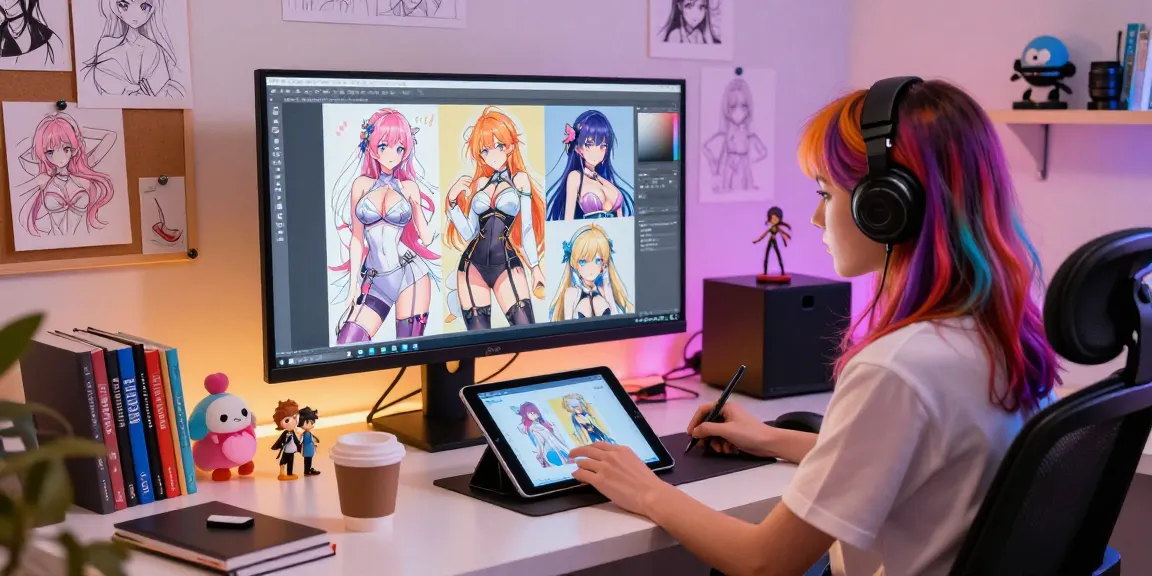
Creating AI ecchi artwork in a vibrant digital art studio with character designs on screen.

Understanding AI Ecchi: A New Frontier in Digital Art

As the realms of art and technology converge, the emergence of AI ecchi art signifies a captivating transformation in digital creativity. This genre, celebrated for its distinct fusion of anime aesthetics and flirtatious themes, engages a growing audience eager to explore the nuances and implications of AI-generated artwork. In recent years, the integration of artificial intelligence in the creative process has not only expanded the boundaries of artistic expression but has also ignited discussions surrounding cultural impact, ethical considerations, and the very definition of art itself. When exploring options, ai sex offers a wealth of resources for those looking to delve deeper into this exciting domain.

What is AI Ecchi and Its Cultural Impact?

AI ecchi refers to a specific genre of artwork generated through artificial intelligence that embraces thematic elements commonly associated with “ecchi” or suggestive anime art. Ecchi, derived from the Japanese word for ‘sexually suggestive’, has long been a staple in manga and anime culture. The advent of AI technologies means that artists and enthusiasts can now create and experience higher levels of customization and intricacy in their work.

The cultural impact of AI ecchi extends beyond aesthetic pleasures; it prompts critical conversations regarding representation, artistic ownership, and the implications of machine-generated creativity. As AI-generated art becomes more prevalent, it raises questions about what constitutes authenticity in artistic expression and the role of the artist in a rapidly evolving technological landscape.

Key Technologies Behind AI Ecchi Generation

The creation of AI ecchi art relies on a variety of advanced technologies, including machine learning, neural networks, and generative adversarial networks (GANs). These frameworks allow computers to learn from vast datasets of existing artworks, enabling them to produce unique pieces that mimic human-created styles. The most significant technologies facilitating this process include:

  • Generative Adversarial Networks (GANs): GANs involve two neural networks—the generator and the discriminator—that work in tandem to create high-quality images. The generator produces images based on learned patterns, while the discriminator evaluates them, leading to increasingly refined results.
  • Deep Learning: This approach enhances the ability of AI models to understand complex patterns in data, making it possible for them to create nuanced illustrations that maintain the charm and intricacy of traditional ecchi themes.
  • Style Transfer Algorithms: These algorithms allow artists to apply the visual style of one image to the content of another, creating a seamless blend of differing artistic elements.

Trends in Ecchi Art for 2026

Looking ahead, several trends are poised to shape the landscape of AI ecchi art in 2026:

  • Increased Personalization: As AI tools become more sophisticated, the ability for users to customize artworks to reflect personal preferences will expand, allowing for an intimate connection between the creator and the audience.
  • Integration with Virtual Reality: The merging of AI ecchi art with virtual reality experiences will create immersive environments where users can explore and interact with their favorite characters and scenes.
  • Collaboration with Traditional Artists: We can expect to see more cross-disciplinary collaborations, blending AI capabilities with traditional artistic techniques to create innovative works that respect both fields.

Tools and Resources for Crafting AI Ecchi Art

Essential Software for Ecchi Art Creation

To effectively create AI ecchi art, artists benefit from a range of software tools designed to simplify the art generation process. These tools vary from user-friendly applications for beginners to advanced software catering to professional artists. Key software includes:

  • DeepArt: This tool enables users to transform their photographs and sketches into stunning pieces of artwork using neural network algorithms.
  • Artbreeder: A collaborative platform where users can blend images and create new visual concepts while maintaining the essence of ecchi art.
  • Psykopaint: Focused on allowing artists to paint using AI-assisted techniques, this software encourages creativity and experimentation.

Top AI Image Generators for Artists

Several AI image generators are redefining the boundaries of creativity in ecchi art. Notable generators include:

  • Midjourney: A popular AI art generator that allows artists to create intricate anime-style images through textual descriptors.
  • Stable Diffusion: Renowned for its ability to produce compelling images with minimal input, making it accessible for users at all levels.
  • PromeAI: This image generator specializes in creating ecchi-themed artworks, producing stunning illustrations based on user prompts.

Leveraging Social Media to Showcase Your Art

In today’s digital age, social media serves as a powerful platform for artists to share their work, connect with like-minded individuals, and gain exposure. To effectively showcase AI ecchi artwork, consider the following strategies:

  • Create Engaging Content: Post high-quality images, videos, and time-lapse tutorials to attract engagement and resonate with your audience.
  • Join Communities: Engage with ecchi art communities on platforms like Reddit and DeviantArt to share your work and receive feedback.
  • Utilize Hashtags: Use relevant hashtags such as #EcchiArt and #AIArt to increase the visibility of your posts and reach a broader audience.

Techniques for Creating Stunning AI Ecchi Artwork

Combining Traditional Techniques with AI

The interplay between traditional artistry and AI-generated techniques offers new avenues for creative expression. By integrating classic methods like sketching and painting with AI tools, artists can achieve results that are both innovative and deeply personal. This hybrid approach allows for:

  • Enhanced Detail: Artists can use AI to refine and enhance details in their work that may be challenging to achieve manually.
  • Time Efficiency: Leveraging AI tools can significantly reduce the time spent on repetitive tasks, allowing artists to focus on the creative aspects of their work.

Color Theory and Composition in Ecchi Art

The importance of color theory and composition cannot be overstated in creating compelling AI ecchi art. Understanding how to manipulate color palettes and compositional techniques can lead to stronger visual narratives. Key points to consider include:

  • Color Harmony: Choose colors that work well together to create a cohesive and visually appealing piece.
  • Focal Points: Use compositional techniques such as the rule of thirds to direct viewers’ attention to key elements within the artwork.

Incorporating Feedback and Iteration Strategies

Feedback is crucial in the artistic process. For AI ecchi artists, incorporating feedback can significantly enhance the quality of their work. Iteration strategies may include:

  • Peer Reviews: Share your work with fellow artists to gain insights and constructive criticism.
  • Experimentation: Use AI tools to iterate on designs quickly, allowing for exploration of different ideas without the commitment of finalizing each piece.

Challenges Artists Face in AI Ecchi Creation

Addressing Copyright and Ethical Considerations

As AI-generated art continues to proliferate, artists must navigate the complex landscape of copyright and ethical issues. Key considerations include:

  • Originality vs. Copyright: Understand the implications of using AI tools that learn from existing artworks while ensuring that the final product is unique.
  • Ethical Use of AI: Consider the ethical ramifications of utilizing AI for creating art that may draw directly from cultural symbols or themes.

Overcoming Creative Blocks with AI Tools

Creative blocks can hinder the artistic process, but AI tools offer solutions for overcoming these challenges. Techniques include:

  • Randomization: Use AI to generate random prompts or elements that can spark inspiration and lead to new ideas.
  • Visual Inputs: Input existing artworks as a base for experimentation, allowing for fresh interpretations and creative exploration.

Common Misconceptions About AI in Art

A multitude of misconceptions surround the use of AI in art creation. Addressing these can foster a more informed community of artists:

  • AI as a Replacement: Many believe that AI competes with human artists; however, AI serves as a tool that enhances creativity rather than replaces it.
  • Quality Over Quantity: The belief that AI-generated art lacks depth or emotional connection is misleading; skilled artists can create meaningful work through AI.

The Future of AI Ecchi Art: Predictions and Opportunities

Emerging Platforms for AI Art Sharing

The future of AI ecchi art will be shaped by new platforms designed for sharing and collaboration. Anticipated developments include:

  • Decentralized Art Platforms: These platforms may offer artists greater control over their work and facilitate direct connections with their audience.
  • Interactive Art Platforms: Innovations that allow viewers to engage with art through interactive experiences will become more prevalent, making art more accessible.

Collaborative Projects and Community Building

Collaboration is essential for the growth of the AI ecchi art community. Opportunities for cooperative projects could include:

  • Joint Exhibitions: Artists can come together to showcase their AI ecchi creations in collaborative exhibitions that highlight diverse perspectives.
  • Online Workshops: Conducting workshops can foster skill exchange and community growth, enabling artists to learn from one another.

Preparing for Future Trends in AI Art Technology

As technology evolves, artists need to remain adaptable to gain a competitive edge. Key areas of focus include:

  • Continuous Learning: Staying updated with the latest AI tools and techniques will empower artists to innovate continually.
  • Engagement with Emerging Technologies: Exploring advancements such as augmented reality and blockchain will open new avenues for artistic exploration.

What defines AI ecchi art and its significance?

AI ecchi art is characterized by its unique combination of playful, suggestive themes and advanced technology, significant as it represents a new era of creativity where artists can explore uncharted territories of expression.

How can I improve my AI ecchi artwork?

Enhancing AI ecchi artwork involves a commitment to experimentation, incorporating feedback from peers, and leveraging advanced tools that assist in refining artistic skills and techniques.

What tools are essential for creating AI ecchi art?

Essential tools for crafting AI ecchi art include AI image generators, deep learning software, and platforms that facilitate community sharing and feedback.

How does AI influence traditional art styles?

AI influences traditional art styles by introducing new creative possibilities, allowing artists to blend their techniques with machine learning, thus expanding the scope of artistic expression.

What are the ethical considerations in AI art?

Ethical considerations in AI art encompass issues of authorship, originality, and the respectful representation of cultural narratives, necessitating ongoing discourse within the artistic community.
Posted on

Captivating Trends in Arts & Entertainment You Should Know

Arts & Entertainment

Understanding the Arts: Historical Context and Evolution

The realm of arts and entertainment is a reflection of human creativity, cultural identity, and societal evolution. The artistic expression has been an integral part of human civilization, serving not only as a medium of personal expression but also as a catalyst for change and reflection within communities. This section delves into the historical context and evolution of the arts, exploring its origins, impactful movements, and the progression of entertainment through the ages.

The Origins of Artistic Expression in Human Culture

Artistic expression dates back to the earliest human societies, manifesting in various forms such as cave paintings, carvings, and primitive music. Archaeological findings, such as the Lascaux cave paintings in France, suggest that early humans used art as a means of communication, storytelling, and ritualistic practices. These expressive forms were not merely decorative; they held significant cultural meanings and were essential for the survival of early communities.

As civilizations developed, art became more sophisticated. In ancient Egypt, art was tied to religion and the afterlife, with intricate hieroglyphs and monumental architecture designed to honor gods and pharaohs. Similarly, the Greeks and Romans contributed significantly to artistic expression through sculpture and theatre, laying the groundwork for Western art traditions.

  • Cave Paintings: The earliest form of artistic expression, depicting animals and hunting scenes.
  • Ancient Egyptian Art: Focused on religious themes and the afterlife, with a strong emphasis on symmetry and order.
  • Greek Theatre: Introduced dramatic arts and storytelling, influencing modern theatre forms.

Key Art Movements and Their Impact on Society

Throughout history, various art movements have emerged, each leaving a profound impact on society. The Renaissance, for instance, marked a revival of classical learning and wisdom. Artists like Leonardo da Vinci and Michelangelo pushed the boundaries of creativity, integrating science and humanism into their artworks.

The Baroque period followed, characterized by dramatic expression and grandeur, reflecting the complexities of the time, including religious conflicts and absolute monarchies. Artists like Caravaggio and Rembrandt used light and shadow to evoke emotion and realism, influencing future artistic techniques.

In the 19th century, movements such as Impressionism and Post-Impressionism challenged traditional artistic norms. Artists like Claude Monet and Vincent van Gogh brought forth a new perception of color and light, giving rise to modern art. These movements not only altered the aesthetic landscape but also influenced social attitudes towards art and culture.

  • Renaissance (14th-17th Century): A revival of classical learning and humanistic values.
  • Baroque (17th Century): Known for emotional intensity and dramatic use of light.
  • Impressionism (19th Century): Focused on capturing light and its changing qualities.

The Evolution of Entertainment Through the Ages

Entertainment has evolved dramatically from the ancient times of storytelling and live performances to today’s digital age. In ancient Rome, gladiatorial games and theatrical performances were popular forms of entertainment, reflecting societal values and norms. The invention of the printing press in the 15th century revolutionized the distribution of literature, making books more accessible and fostering a culture of reading.

The 20th century brought about significant changes with the advent of radio, television, and cinema. The film industry transformed storytelling, allowing for the mass consumption of narratives on an unprecedented scale. Today, entertainment continues to evolve with the rise of the internet, social media, and streaming services, changing how people consume and engage with content.

  • Gladiatorial Games: A form of entertainment that reflected social values and the power dynamics of ancient Rome.
  • Printing Press: Allowed for mass distribution of literature, fostering reading culture.
  • Streaming Services: Have created a new era of content consumption, making entertainment more accessible.

Exploring Different Mediums in the Arts

The arts encompass a myriad of mediums, each offering unique avenues for creative expression. From visual arts that capture the eye to performing arts that engage the body and spirit, each medium has its own techniques and styles that resonate with audiences. This section explores the various mediums within the arts, detailing their characteristics and significance.

Visual Arts: Techniques and Styles

Visual arts include a wide range of artistic expressions, such as painting, sculpture, photography, and digital art. Each technique and style contributes to the narrative and emotional impact of the artwork. Traditional painting techniques, for instance, vary from oil and watercolor to acrylics, each offering distinct textures and finishes.

The emergence of styles like Cubism, Surrealism, and Abstract Expressionism has expanded the language of visual arts. Artists such as Pablo Picasso and Salvador Dalí challenged perceptions of reality, inviting viewers to engage with art on a deeper philosophical level.

  • Oil Painting: Known for its rich color and texture, allowing for detailed and layered works.
  • Watercolor: Offers a translucent quality, emphasizing light and fluidity.
  • Digital Art: Utilizes technology to create visually stunning works, from digital paintings to 3D models.

Performing Arts: Theatre, Dance, and Music

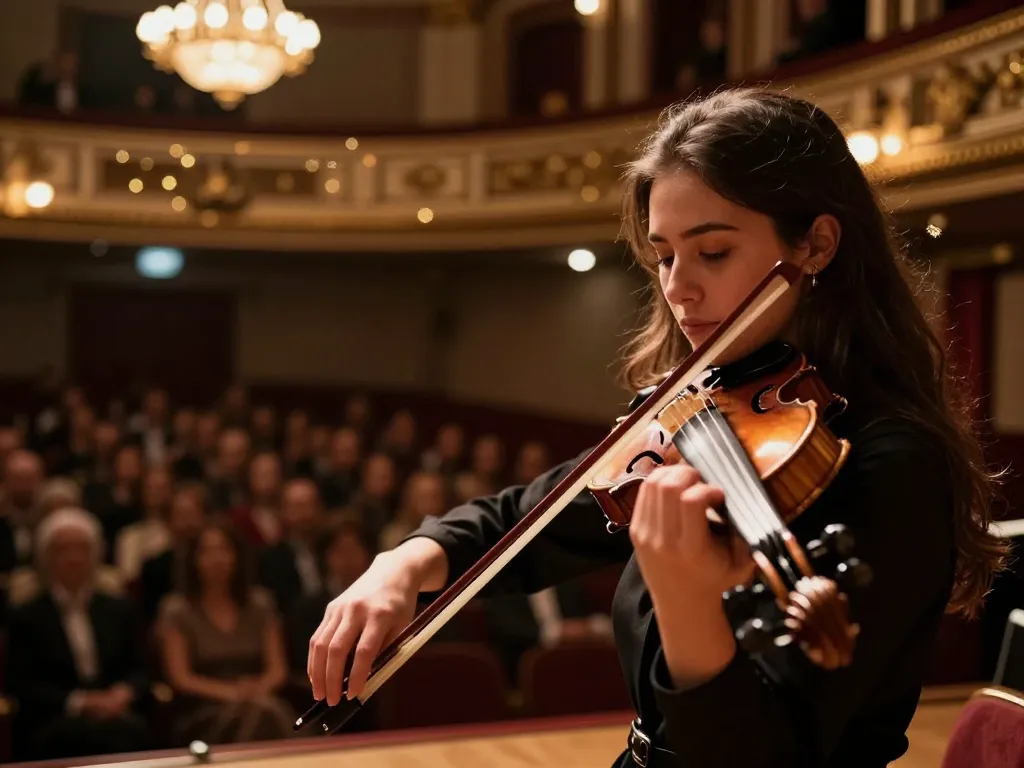
The performing arts combine various forms of expression, including theatre, dance, and music, to convey stories and emotions. Theatre has a rich history that dates back to ancient Greece, where plays were performed in open-air amphitheaters. Today, theatre encompasses a range of styles, from classic Shakespearean plays to contemporary experimental performances.

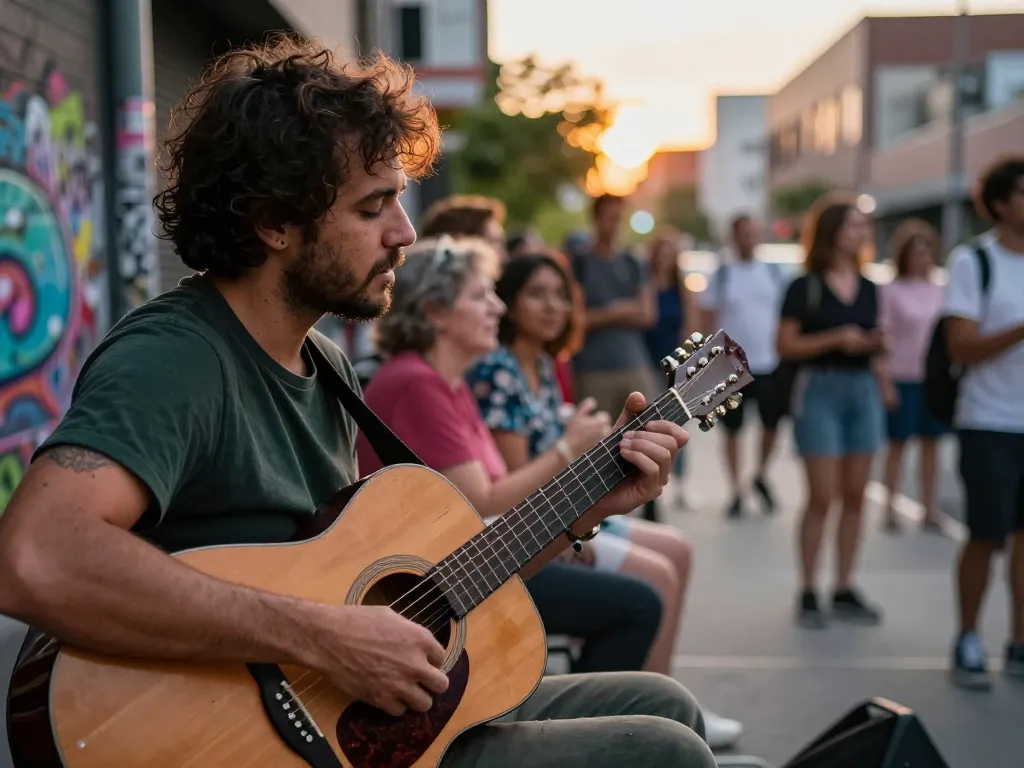
Dance, as a performing art, transcends cultural boundaries, with styles ranging from ballet to hip-hop, each telling its own story through movement. Music, with its diverse genres and forms, serves as a universal language, capable of evoking profound emotions and connecting people across cultures.

  • Theatre: A blend of script, performance, and stagecraft, creating immersive storytelling experiences.
  • Dance: Expresses themes and narratives through physical movement, with cultural variations worldwide.
  • Music: Encompasses various genres, each with unique characteristics and cultural significance.

Literary Arts: Genres and Forms

Literary arts encompass a vast array of genres and forms, from poetry and novels to essays and plays. Each genre offers unique narrative structures and themes, providing writers with tools to express complex ideas and emotions. For instance, poetry often employs rhythm and metaphor to convey deep feelings, while novels can explore intricate plots and character development.

The evolution of literary arts is evident in the rise of different genres over time. The Romantic movement emphasized emotion and individualism, while Modernism questioned traditional narratives and embraced fragmented storytelling. Today, contemporary literature continues to evolve, reflecting current societal issues and diverse voices.

  • Poetry: Uses structured verse and imagery to evoke emotions and insights.
  • Novels: Offer expansive narratives, exploring character and plot in depth.
  • Essays: Provide critical and personal reflections, often addressing social and political issues.

The Role of Technology in Modern Arts and Entertainment

In the contemporary landscape, technology plays a pivotal role in shaping the arts and entertainment sectors. From digital tools that enhance creative processes to platforms that distribute content globally, technology has transformed how artists create, share, and engage with audiences. This section examines the influence of technology on modern arts and entertainment.

Digital Art: Tools and Techniques for Creatives

Digital art has revolutionized the creative process, providing artists with innovative tools and techniques. Software such as Adobe Photoshop and Illustrator allows for intricate designs and illustrations, while platforms like Procreate have made digital painting accessible to artists worldwide. The rise of graphic tablets and styluses has further enhanced the precision and fluidity of digital artwork.

Moreover, digital art encourages experimentation and collaboration. Artists can share their work online, receive feedback, and collaborate with others, fostering a global creative community. The accessibility of digital tools has democratized art-making, enabling more individuals to explore their creativity.

  • Adobe Photoshop: A leading software for digital image editing and manipulation.
  • Procreate: A popular app for digital painting, favored by illustrators and artists.
  • Graphic Tablets: Enhance digital drawing and painting, offering a natural drawing experience.

The Rise of Streaming Services and Their Influence on Entertainment

The emergence of streaming services has dramatically altered the entertainment landscape. Platforms like Netflix, Hulu, and Disney+ provide audiences with on-demand access to a vast library of films, television shows, and original content. This shift has transformed how viewers consume media, prioritizing convenience and personalization.

Moreover, streaming services have disrupted traditional distribution methods, allowing independent filmmakers and creators to reach global audiences without the constraints of traditional gatekeepers. This democratization of content creation has led to a diversification of voices and narratives in the entertainment industry.

  • Netflix: Pioneered binge-watching culture with its original programming and extensive library.
  • Hulu: Offers a blend of current TV shows and original content, catering to varied audience preferences.
  • Independent Filmmaking: Streaming platforms have enabled independent creators to showcase their work to a broader audience.

Virtual Reality and Augmented Reality in Artistic Experiences

Virtual reality (VR) and augmented reality (AR) are emerging technologies that are reshaping the arts and entertainment sectors. VR creates immersive environments that transport users to different worlds, allowing for interactive artistic experiences. For instance, art installations utilizing VR allow viewers to engage with art in ways that were previously unimaginable, fostering a deeper connection to the work.

AR, on the other hand, overlays digital content onto the real world, enhancing the viewer’s experience. Art galleries and museums are increasingly incorporating AR to provide additional context and information about exhibits, enriching the visitor experience. These technologies not only enhance engagement but also expand the possibilities of artistic expression.

  • Virtual Reality: Creates immersive experiences that allow users to explore art in a three-dimensional space.
  • Augmented Reality: Enhances real-world experiences by adding digital layers of information and interaction.
  • Art Installations: Utilize VR and AR to engage audiences in unique and interactive ways.

Marketing and Promoting Arts and Entertainment

In a competitive landscape, effective marketing and promotion are crucial for artists and entertainers to reach their target audiences. This section explores strategies for building an online presence, networking within the arts industry, and utilizing SEO and content marketing to promote artistic endeavors.

Building an Online Presence: Social Media Strategies for Artists

Establishing a robust online presence is essential for artists and entertainers in today’s digital age. Social media platforms such as Instagram, Twitter, and TikTok provide artists with the opportunity to showcase their work, engage with followers, and build a community. Here are some effective strategies:

  • Consistent Branding: Develop a cohesive visual identity and voice across all platforms.
  • Engagement: Interact with followers by responding to comments, hosting Q&A sessions, and sharing behind-the-scenes content.
  • Content Variety: Use a mix of images, videos, and stories to keep your audience engaged and showcase different aspects of your work.

Collaborations and Networking in the Arts Industry

Collaboration and networking are vital for growth in the arts industry. By working with other artists and professionals, individuals can expand their reach and access new audiences. Here are some practical tips for effective networking:

  • Attend Events: Participate in art exhibitions, workshops, and conferences to meet like-minded individuals.
  • Join Online Communities: Engage with online platforms and forums dedicated to your artistic field.
  • Collaborate: Seek opportunities to collaborate on projects, which can lead to cross-promotion and shared audiences.

Utilizing SEO and Content Marketing for Arts Promotion

Search engine optimization (SEO) and content marketing are powerful tools for promoting arts and entertainment. By creating valuable content and optimizing it for search engines, artists can increase their visibility online. Here are some best practices:

  • Keyword Research: Identify relevant keywords related to your art or entertainment niche and incorporate them naturally into your content.
  • Quality Content: Create informative blog posts, videos, or podcasts that provide value to your audience.
  • Social Sharing: Encourage sharing of your content on social media to increase reach and engagement.

Future Trends in Arts and Entertainment

The arts and entertainment landscape is continuously evolving, influenced by societal changes, technological advancements, and cultural shifts. This section explores emerging trends that are shaping the future of arts and entertainment.

The Growing Importance of Inclusivity and Diversity

Inclusivity and diversity have become paramount in the arts and entertainment sectors. Audiences are increasingly seeking representation in the storytelling and artistic expressions they consume. This shift has prompted creators to embrace diverse voices and perspectives, resulting in a richer cultural tapestry.

Initiatives promoting diversity in casting, storytelling, and artistic representation are gaining momentum. For example, the success of films like “Black Panther” and “Crazy Rich Asians” showcases the demand for authentic representation in mainstream media. As the industry continues to evolve, embracing inclusivity will remain a critical focus.

  • Representation Matters: Diverse narratives resonate with audiences, contributing to broader cultural conversations.
  • Accessibility: Ensuring that art and entertainment are accessible to all, regardless of background or ability.
  • Support for Underrepresented Artists: Initiatives that fund and promote diverse artists are becoming increasingly important.

Environmental Sustainability in Arts and Production

The growing awareness of environmental issues has prompted the arts and entertainment sectors to adopt sustainable practices. From eco-friendly production methods to promoting environmental themes in art, sustainability is becoming a priority. Artists are using their platforms to raise awareness about climate change and inspire action.

For instance, film productions are increasingly utilizing green technologies, such as energy-efficient lighting and sustainable materials, to minimize their environmental impact. Additionally, art installations that incorporate recycled materials or address environmental themes are gaining popularity, encouraging audiences to consider their ecological footprint.

  • Eco-Friendly Production: Utilizing sustainable materials and practices in the creation of art and entertainment.
  • Environmental Themes: Addressing climate change and sustainability through artistic expression.
  • Community Engagement: Encouraging audiences to participate in sustainability initiatives through art.

Emerging Technologies and Their Potential Impact on the Arts

As technology continues to evolve, its impact on the arts will only grow. Emerging technologies such as artificial intelligence, blockchain, and advanced analytics are poised to reshape how art is created, distributed, and experienced. For example, AI-generated art is challenging traditional notions of creativity and authorship, prompting discussions about the role of the artist in the digital age.

Blockchain technology is also making waves in the art world, providing a transparent and secure method for artists to sell their work and for collectors to authenticate it. This technology has the potential to revolutionize the art market, ensuring fair compensation for artists while enhancing trust between creators and buyers.

  • Artificial Intelligence: Exploring the creative potential of AI in art and music.
  • Blockchain: Revolutionizing authentication and ownership in the art market.
  • Data Analytics: Utilizing data to understand audience preferences and trends in the arts.
Posted on

Captivating Trends Reshaping the Arts & Entertainment Scene

Captivating Trends Reshaping the Arts & Entertainment Scene

Understanding the Foundations of Arts & Entertainment

The realms of arts and entertainment are deeply intertwined, representing a rich tapestry of human creativity and cultural expression. They encompass a vast array of practices and products that entertain, inspire, and provoke thought. This section delves into the foundational concepts that define arts and entertainment, their cultural significance, and the diverse forms of artistic expression that exist within these categories.

Defining Arts & Entertainment: Key Concepts

At its core, arts and entertainment can be defined as the various forms of creative expression that aim to engage, inform, or amuse audiences. The term “arts” typically refers to disciplines such as visual arts, performing arts, and literature, while “entertainment” encompasses activities or productions designed to captivate and hold the attention of an audience.

Key concepts within this domain include:

  • Creativity: The cornerstone of any artistic endeavor, creativity involves the generation of new ideas, forms, or interpretations.
  • Audience Engagement: Both arts and entertainment require an audience. The interaction between creators and audiences often shapes the impact of the work.
  • Cultural Reflection: Artistic expressions often reflect societal values, norms, and issues, serving as a mirror to the world.

Understanding these concepts is vital for appreciating how arts and entertainment influence society and culture.

The Role of Culture in Shaping Arts & Entertainment

Culture plays a pivotal role in shaping the landscape of arts and entertainment. It encompasses the beliefs, practices, languages, and symbols that characterize a community or society. Cultural contexts inform the themes, styles, and techniques utilized by artists and entertainers, resulting in a diverse range of expressions across different societies.

Consider the following:

  • Historical Context: The arts have evolved through various historical movements, such as the Renaissance or the Harlem Renaissance, highlighting cultural shifts and societal changes.
  • Regional Influences: Different geographical locations foster unique artistic traditions; for example, African tribal art differs vastly from Asian calligraphy.
  • Globalization: Increased connectivity has led to cross-cultural influences, allowing artists to draw inspiration from a broader palette of styles and ideas.

This interplay between culture and artistic expression not only enriches the arts but also fosters a greater understanding of diverse perspectives.

Different Forms of Artistic Expression: An Overview

The spectrum of artistic expression is vast, encompassing various forms that cater to different tastes and interests. Here are some of the primary categories:

  • Visual Arts: This includes painting, sculpture, photography, and digital arts, which primarily appeal to the sense of sight.
  • Performing Arts: Theatre, music, and dance engage audiences through live performances, often emphasizing movement and sound.
  • Literature: Written works, including poetry, fiction, and non-fiction, offer narrative and thematic depth, influencing other artistic forms.

Each of these forms contributes uniquely to the overall landscape of arts and entertainment, creating a rich tapestry of human expression.

Exploring Various Art Forms

To truly appreciate the breadth of arts and entertainment, one must explore the various forms that constitute this vibrant field. Each art form brings its own methodologies and experiences, contributing to an ever-evolving dialogue within the cultural sphere.

Visual Arts: Painting, Sculpture, and Photography

Visual arts encompass a wide range of creative expressions that are primarily visual in nature. This category includes traditional forms such as painting and sculpture, as well as contemporary practices like photography and digital art.

Painting, for example, has a long history, from the classical works of masters like Leonardo da Vinci to modern expressions by artists like Banksy. Each piece often tells a story or conveys a specific emotion, using colors, shapes, and textures to engage viewers.

Sculpture, which can be traced back to ancient civilizations, allows for three-dimensional exploration of form and material. Contemporary sculpture has expanded to include installations and mixed media, challenging traditional notions of what sculpture can be.

Photography has revolutionized the visual arts, capturing moments in time and offering new perspectives on reality. From portraiture to documentary photography, the medium has the power to evoke emotions and tell compelling stories.

Performing Arts: Theatre, Dance, and Music

The performing arts bring stories to life through live performance, engaging audiences in real-time. Theatre combines elements of drama, storytelling, and visual spectacle. Playwrights like Tennessee Williams and contemporary creators like Lin-Manuel Miranda have shaped the landscape of theatre, addressing societal issues and personal narratives.

Dance, a form of movement and expression, transcends language barriers. Styles range from ballet to hip-hop, each conveying emotions and stories through choreography. Famous companies like the American Ballet Theatre and innovative choreographers like Martha Graham have significantly impacted the evolution of dance.

Music, perhaps the most universally accessible form of art, encompasses genres that resonate across cultures. From classical symphonies to contemporary pop, music serves as a powerful medium for storytelling and emotional expression, influencing social movements and personal experiences.

Literature and its Influence on Other Art Forms

Literature serves as a foundation for many artistic expressions, influencing theatre, film, music, and visual arts. The written word has the power to convey complex ideas, emotions, and narratives, serving as inspiration for countless adaptations and interpretations.

For instance, classic novels such as “Pride and Prejudice” have inspired numerous film adaptations, while contemporary works often find their way into stage productions. The interplay between literature and other art forms creates a rich dialogue, allowing for reinterpretation and fresh perspectives.

Moreover, literary devices such as metaphor and symbolism have influenced visual artists, who incorporate these elements into their work, creating layers of meaning that engage audiences on multiple levels.

The Business of Arts & Entertainment

The arts and entertainment sector is not only a vibrant field of creativity but also a complex business landscape. Understanding the economic dynamics, funding mechanisms, and marketing strategies is crucial for artists and performers aiming to succeed in this competitive environment.

Understanding the Arts Market: Supply and Demand Dynamics

The arts market operates on the principles of supply and demand, much like any other industry. Artists and performers supply creative works, while audiences demand entertainment and cultural experiences. Understanding this dynamic is essential for navigating the market effectively.

Several factors influence supply and demand in the arts market:

  • Trends and Cultural Shifts: Changes in societal values and preferences can impact what types of art are in demand. For example, the rise of social media has shifted audience preferences towards more accessible and relatable content.
  • Economic Conditions: During economic downturns, funding for the arts may decrease, affecting the supply of artistic projects and performances.
  • Technology: The advent of digital platforms has expanded the supply of art, enabling artists to reach global audiences, but it has also intensified competition.

Understanding these dynamics can help artists position themselves effectively within the market and identify opportunities for growth.

Funding and Financing for Artistic Projects

Securing funding is often one of the most significant challenges facing artists and entertainers. Various options exist for financing artistic projects, including:

  • Grants: Numerous organizations offer grants to support artists, including government agencies, private foundations, and arts councils. Researching and applying for these grants can provide crucial financial support.
  • Sponsorships: Collaborating with businesses and brands can help secure funding in exchange for promotional opportunities, creating mutually beneficial relationships.
  • Crowdfunding: Platforms like Kickstarter and Indiegogo allow artists to raise funds directly from their audience, fostering community support and engagement.

Understanding the various funding avenues available is essential for artists seeking to bring their projects to fruition.

Marketing Strategies for Artists and Performers

Effective marketing is crucial for artists and performers aiming to reach and engage their audiences. Here are several strategies that can help:

  • Building an Online Presence: Establishing a strong online presence through social media, personal websites, and email newsletters can help artists connect with their audience and promote their work.
  • Networking: Building relationships within the industry can open doors to collaborations, performances, and exhibitions. Attend events, workshops, and exhibitions to meet fellow artists and industry professionals.
  • Engaging Content: Create compelling content that showcases your work, such as behind-the-scenes videos, interviews, and tutorials. This not only builds brand loyalty but also attracts new audiences.

By implementing these marketing strategies, artists can effectively promote their work and expand their reach within the arts and entertainment landscape.

Technology’s Impact on Arts & Entertainment

In recent years, technology has profoundly transformed the arts and entertainment industry. From digital platforms to innovative performance techniques, technology has opened new avenues for creativity and audience engagement. This section explores the various ways technology is influencing the arts.

Digital Platforms: Streaming Services and Social Media

Streaming services like Netflix, Spotify, and YouTube have revolutionized how audiences consume entertainment. These platforms provide instant access to a vast array of content, allowing artists to reach global audiences without the traditional barriers of distribution.

Moreover, social media platforms have become essential tools for artists to share their work, connect with fans, and build communities. Platforms like Instagram, TikTok, and Twitter enable artists to engage directly with their audience, fostering a sense of intimacy and connection that can enhance loyalty and support.

As a result, artists can leverage these platforms for marketing, funding, and collaboration opportunities:

  • Live Streaming: Artists can host live performances or Q&A sessions, creating a real-time connection with their audience.
  • Content Sharing: Sharing snippets of work or behind-the-scenes content can engage followers and encourage them to support the artist.
  • Collaborative Projects: Social media allows for collaboration across geographical boundaries, enabling artists to work together on projects that may not have been possible otherwise.

The Role of Virtual and Augmented Reality in Art

Virtual reality (VR) and augmented reality (AR) are emerging technologies that are reshaping the arts landscape. These technologies allow artists to create immersive experiences that engage audiences in innovative ways.

For instance, VR installations can transport viewers into entirely new environments, allowing them to interact with art in a three-dimensional space. Artists like Marina Abramović have experimented with VR to create transformative experiences that challenge perceptions of presence and distance.

AR, on the other hand, enhances the real world by overlaying digital elements. This technology has been used in public art projects, where viewers can point their smartphones at a mural to see animations or hear soundscapes that complement the visual experience.

Both VR and AR offer exciting possibilities for artists, enabling them to push the boundaries of creativity and engage audiences in unique ways.

How Technology is Transforming Live Performances

Technology is also transforming live performances, enhancing the audience experience and expanding creative possibilities. Innovations in sound and lighting technology allow for more dynamic and immersive performances, elevating the overall impact of live shows.

For example, artists like Beyoncé and U2 have incorporated elaborate visual effects and stage designs that utilize cutting-edge technology to create unforgettable experiences. Additionally, live streaming performances have become increasingly popular, allowing audiences who cannot attend in person to participate in the experience from anywhere in the world.

Furthermore, the integration of audience interaction through mobile apps or social media can enhance engagement, allowing viewers to influence aspects of the performance in real-time. This level of interactivity not only enriches the experience but also fosters a deeper connection between artists and their audience.

Future Trends in Arts & Entertainment

As the landscape of arts and entertainment continues to evolve, several key trends are shaping its future. From sustainability initiatives to the push for greater diversity, these trends reflect changing societal values and priorities.

Sustainability and Eco-Conscious Practices in the Arts

In response to growing environmental concerns, many artists and organizations are adopting sustainability practices in their work. This includes using eco-friendly materials, reducing waste, and promoting environmental awareness through their art.

For example, artists like Olafur Eliasson create installations that highlight climate change issues, encouraging viewers to reflect on their relationship with the environment. Additionally, organizations like the Arts Council England have launched initiatives to support sustainable practices within the arts sector.

Implementing sustainable practices not only benefits the environment but also resonates with audiences increasingly concerned about climate change and ecological responsibility.

The Growing Importance of Diversity and Inclusion

Diversity and inclusion have become paramount in the arts and entertainment industry, with a growing recognition of the need for representation across all forms. This trend encompasses not only racial and ethnic diversity but also gender, sexuality, and ability.

Initiatives like the #OscarsSoWhite movement have sparked discussions about representation in film, leading to calls for more inclusive practices in casting, storytelling, and production. Similarly, organizations are working to support underrepresented artists and ensure their voices are heard.

Encouraging diversity within the arts enriches the cultural landscape, allowing for a broader range of stories and experiences to be shared, ultimately benefiting both artists and audiences alike.

Innovative Collaborations Across Different Art Forms

As the boundaries between different art forms continue to blur, innovative collaborations are becoming increasingly common. Artists from diverse disciplines are coming together to create multidisciplinary works that challenge traditional notions of art.

For instance, collaborations between musicians and visual artists can result in immersive installations that engage multiple senses, such as the works created by artists like Björk, who combines music, visual art, and technology in her performances.

These cross-disciplinary collaborations not only expand the creative possibilities but also attract diverse audiences, fostering a sense of community and shared experience.